Traditional South African Favorites
Welcome to the heart of South African cuisine! Here at Mama Zola's Kitchen, we cherish the traditions passed down through generations. These recipes are more than just food; they are a connection to our heritage, a celebration of our diverse cultures, and a taste of home. Prepare to embark on a culinary journey through the rainbow nation!
Featured Recipes
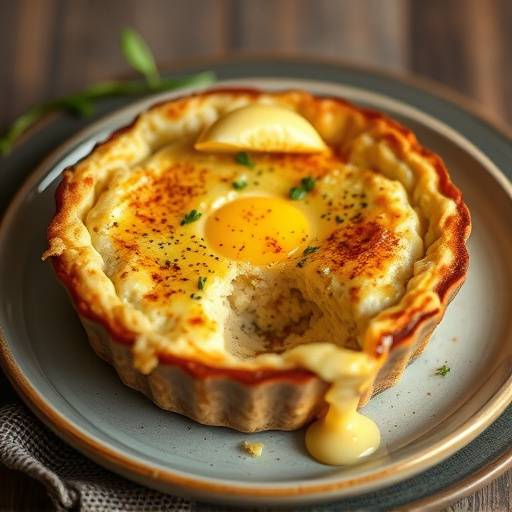
Bobotie
Bobotie is a South African classic, a spiced minced meat dish baked with an egg-based topping. Its origins trace back to the Cape Malay community, who brought their unique flavors and culinary techniques to South Africa. The dish is a delightful blend of sweet and savory, with the warmth of spices like curry powder and turmeric, balanced by the fruity sweetness of dried apricots and raisins. Mama Zola’s Bobotie recipe has been perfected over decades, ensuring a consistently delicious and comforting meal.
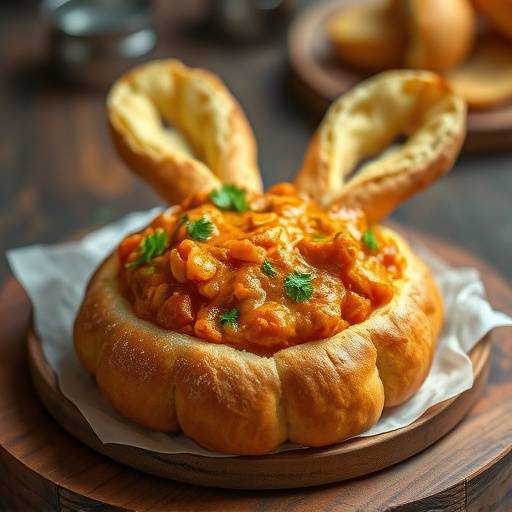
Bunny Chow
Hailing from Durban, Bunny Chow is a uniquely South African street food. It consists of a hollowed-out loaf of bread filled with a flavorful curry, typically mutton, chicken, or beans. The origins of Bunny Chow are debated, but it's generally believed to have been created by Indian laborers in Durban who needed a convenient way to carry their lunches. The bread soaks up the delicious curry, creating a satisfying and portable meal. Be warned, it can get messy, but that's part of the fun!
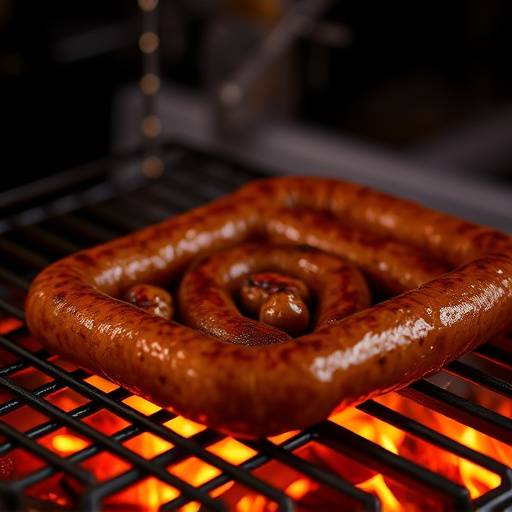
Boerewors
Boerewors, meaning "farmer's sausage" in Afrikaans, is a coarsely ground sausage made from beef, pork, and spices. It is a staple at braais (barbecues) across South Africa. The key to a good boerewors is the quality of the meat and the blend of spices, which typically includes coriander, cloves, and nutmeg. Mama Zola insists on using only the freshest ingredients and a traditional recipe passed down from her grandfather, a farmer in the Karoo.
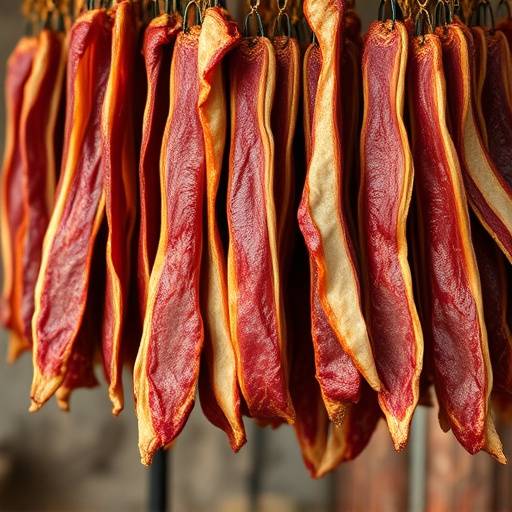
Biltong
Biltong is a form of dried, cured meat originating from South Africa. It is similar to jerky but differs in its spices, curing process, and thickness. Biltong is typically made from beef, but other meats like ostrich and kudu are also used. The meat is marinated in vinegar and spices like coriander, salt, and pepper, then air-dried. Biltong is a popular snack and a staple in many South African households. Mama Zola’s Biltong recipe uses a special blend of spices that gives it a unique and unforgettable flavor.
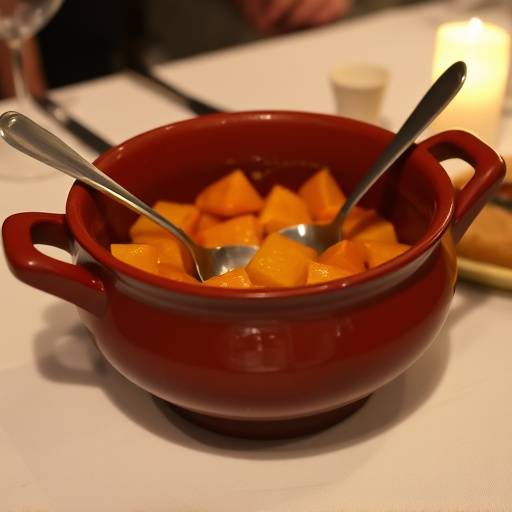
Potjiekos
Potjiekos, meaning "small pot food" in Afrikaans, is a traditional South African stew cooked in a three-legged cast iron pot (the potjie). It is a social event as much as it is a meal, with friends and family gathering around the fire while the pot simmers for hours. The ingredients are layered in the pot, starting with meat and vegetables, and slowly cooked in liquid. The result is a rich, flavorful stew that is perfect for a cold winter evening. Mama Zola's Potjiekos recipe is a family favorite, guaranteed to warm your heart and soul.
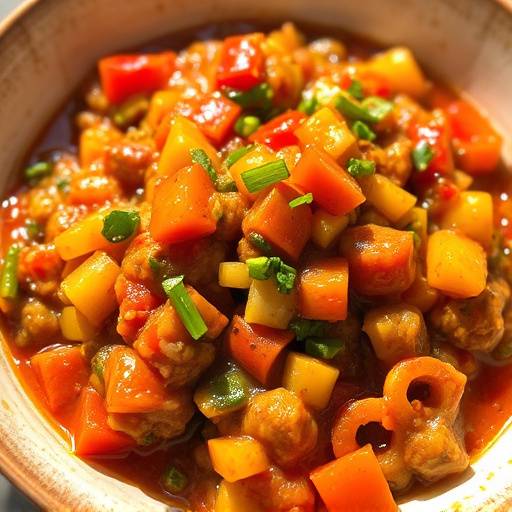
Chakalaka
Chakalaka is a spicy South African vegetable relish, often served as a side dish or condiment. It typically contains beans, tomatoes, onions, peppers, and spices. Chakalaka is believed to have originated in the townships of Johannesburg, where it was created as a cheap and nutritious way to add flavor to meals. Mama Zola's Chakalaka recipe is a fiery and flavorful addition to any braai or meal, adding a touch of South African spice to your plate.
Historical Background
South African cuisine is a melting pot of flavors and influences, reflecting the country's diverse history and cultures. From the indigenous Khoisan people to the Dutch, British, and Indian settlers, each group has contributed to the rich tapestry of South African food. Traditional dishes often tell stories of resilience, adaptation, and community. For example, Bobotie, with its Cape Malay origins, showcases the fusion of Eastern and Western flavors. Bunny Chow, a Durban staple, is a testament to the ingenuity of Indian laborers. Even Biltong, a dried meat snack, has its roots in the early settlers' need to preserve food during long journeys.
"Food is our common ground, a universal experience." - James Beard (adapted to reflect Mama Zola's sentiments)
Mama Zola believes that food is more than just sustenance; it's a way to connect with our past, celebrate our present, and build a future together. That's why she is dedicated to preserving and sharing these traditional recipes, ensuring that they continue to be enjoyed by generations to come.
Regional Variations
South Africa is a vast and diverse country, and its cuisine reflects this diversity. From the Cape to KwaZulu-Natal, each region has its own unique culinary traditions and specialties. In the Cape, you'll find influences from Malay and Dutch cuisine, with dishes like Bobotie and Bredie (a slow-cooked meat stew) being popular. In KwaZulu-Natal, Indian flavors dominate, with Bunny Chow and various curries being staples. In the inland regions, you'll find hearty meat dishes and stews, often cooked over an open fire. Mama Zola's Kitchen celebrates these regional variations, showcasing the best of South African cuisine from across the country.
| Region | Dominant Influences | Signature Dishes |
|---|---|---|
| Cape | Malay, Dutch | Bobotie, Bredie, Fish Curry |
| KwaZulu-Natal | Indian | Bunny Chow, Durban Curry, Samoosas |
| Inland (Gauteng, Free State) | Afrikaans, Indigenous | Potjiekos, Biltong, Boerewors |
| Eastern Cape | Xhosa | Umngqusho (Samp and Beans), Mielie Pap |